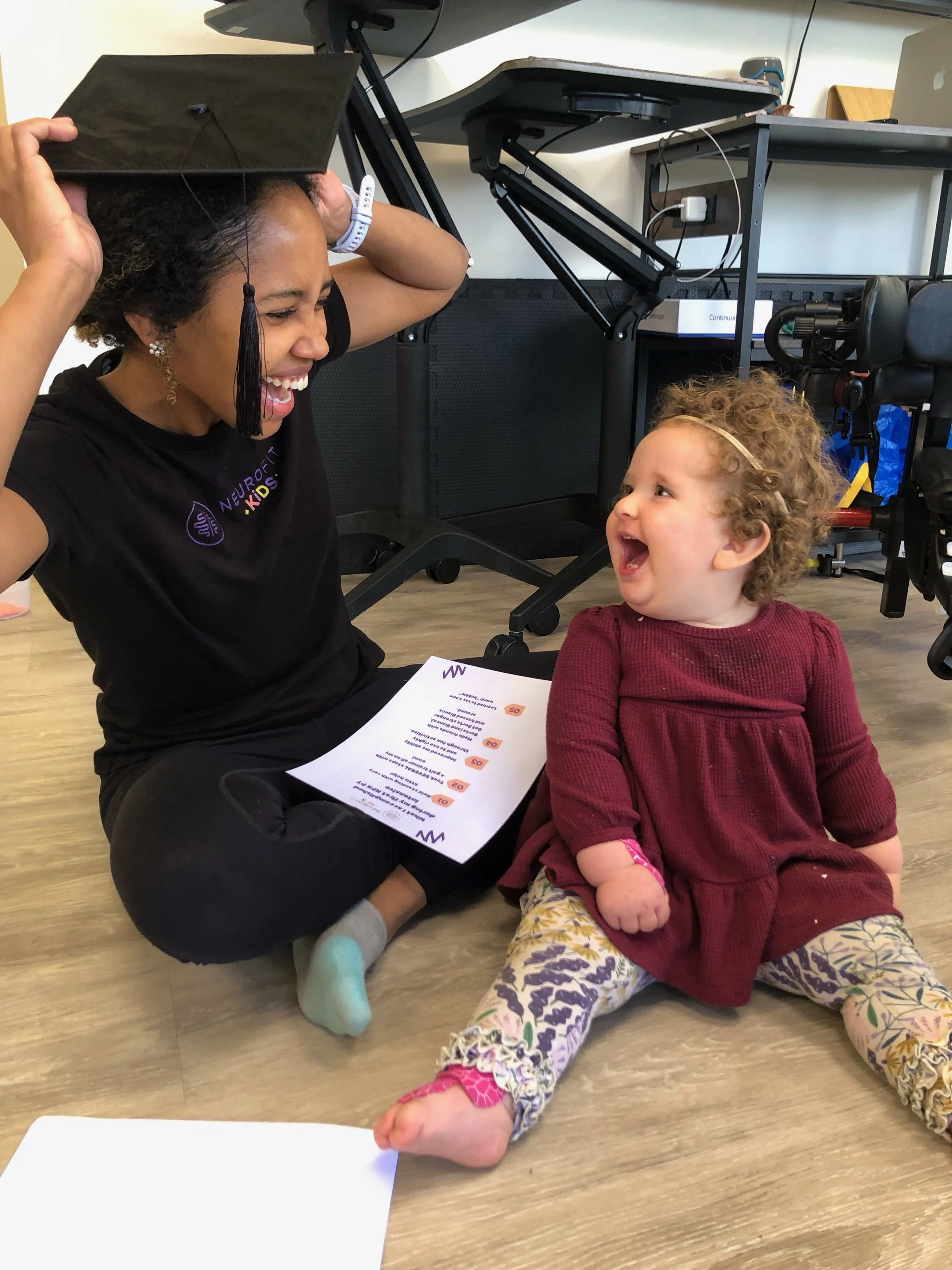
Why I Chose to Redefine Pediatric PT Intensives
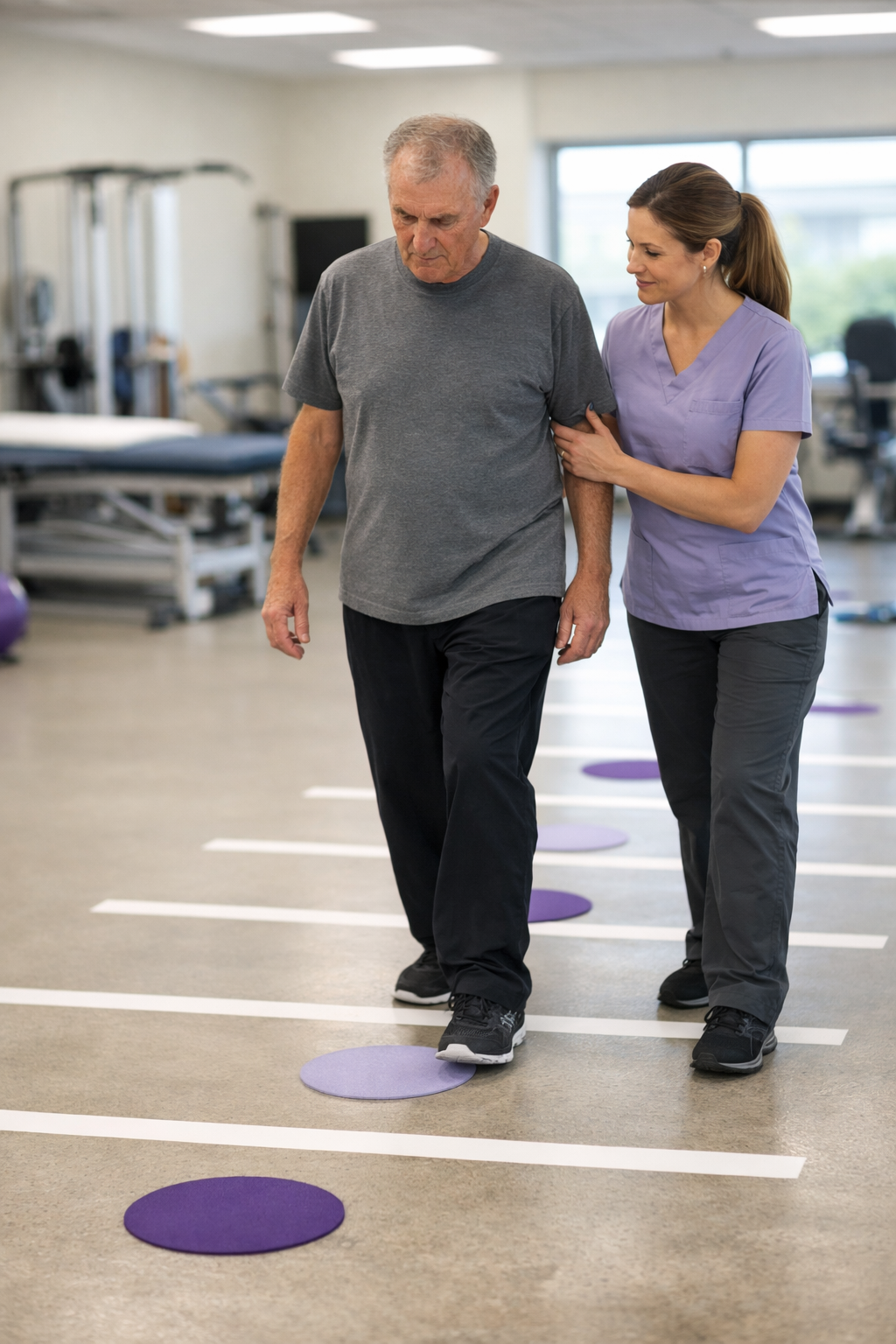
External Focus — the “secret switch” that helps movement feel easier
External focus cues shift attention to the result of a movement—not body parts. Here’s what that means in neuro rehab, plus practical examples for Parkinson’s walking and stroke recovery.
Unlocking Recovery Bonus: Enhancing NeuroRehabilitation with Owens Recovery Science BFR Technology
This bonus post highlights the benefits of the Owens Recovery Science BFR unit and its integration with the NeuroFit Institute’s Neurologic Intensive PT program. Learn how this advanced technology enhances precision and safety in BFR training, and discover the synergistic effects that accelerate recovery in neurological rehabilitation through this innovative partnership.
Unlocking Recovery: The Role of Blood Flow Restriction in Neurologic Rehabilitation (Part 3)
Part 3 offers practical guidelines for implementing BFR in neurologic rehabilitation. We provide best practices for therapists, tips on equipment selection, and strategies for customizing BFR programs to individual patient needs. This comprehensive guide ensures safe and effective integration of BFR into rehabilitation plans, maximizing patient recovery and functional gains.
Unlocking Recovery: The Role of Blood Flow Restriction in Neurologic Rehabilitation (Part 2)
In Part 2 of our series, we explore the application of BFR across specific neurological diagnoses such as stroke, spinal cord injury, multiple sclerosis, and more. This blog highlights the evidence supporting BFR’s effectiveness, including recommended frequencies and durations. Discover how tailored BFR protocols are yielding significant improvements in muscle strength and functional outcomes for various conditions.

Torticollis: There’s a highly effective way to treat it. And it’s not with neck stretches.
Torticollis, or “wry neck,” is a condition that can limit an infant’s neck mobility, potentially impacting their overall development. Pediatric physical therapy is a proven approach to treating torticollis, helping to restore balance and range of motion. However, therapists trained in TMR Tots (Total Motion Release for Tots) offer a unique, whole-body approach that can achieve faster, more sustainable results than traditional methods. Learn how early intervention with TMR Tots can improve alignment, reduce discomfort, and support key developmental milestones, giving your child the best start on their journey to healthy growth.
Unlocking Recovery: The Role of Blood Flow Restriction in Neurologic Rehabilitation (Part 1)
Discover how Blood Flow Restriction (BFR) training is revolutionizing neurologic rehabilitation in Part 1 of our series. We delve into the science behind BFR, explaining how it enhances muscle strength and promotes neuroplasticity using low-load exercises. Learn why BFR is a game-changer for patients with neurological conditions seeking effective, low-impact rehabilitation options.

Intensive Neurologic Physical Therapy: A Pathway to Faster Recovery and Better Outcomes
Discover how Intensive Neurologic Physical Therapy offers a faster, more focused path to recovery for individuals with neurological conditions. Through personalized, high-intensity treatment plans, this approach helps patients achieve their functional goals and regain independence. Learn more about how it differs from traditional therapy and why it leads to better outcomes.

ConnectTherapy: Why it’s important to look at the connections in our body
What sets our approach apart using ConnectTherapy is that we are able to see the impact of any part of your body on the site where you’re experiencing pain.
